Restore 19th-century cabinet cards, CDVs, and tintypes with archival restraint
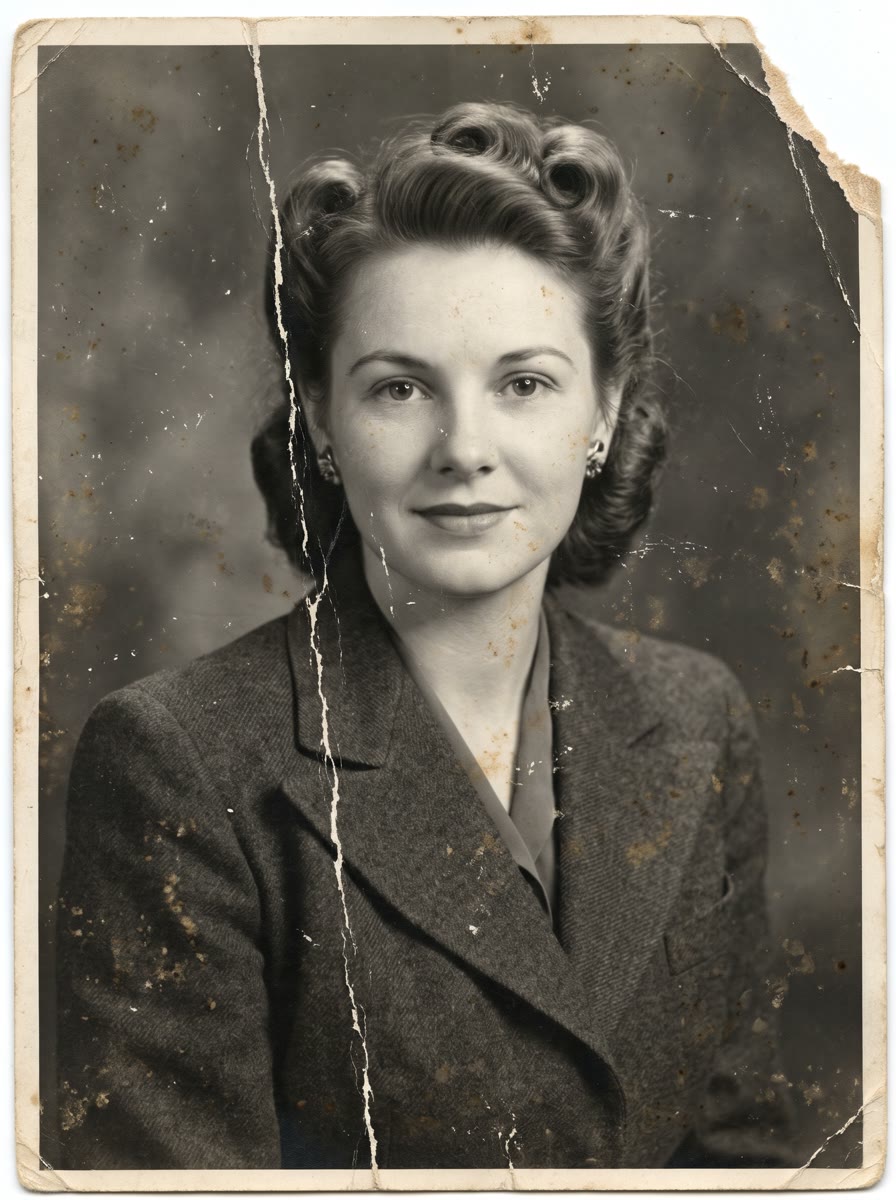
Victorian studio portraits carry irreplaceable genealogical detail: delicate albumen grain, wool and lace textures, and authentic expressions. Mended Photo clears foxing spots, emulsion cracks, and metallic silvering without smoothing faces into modern wax.
Upload a family photo for a free preview
Snap a photo of a print with your phone, or upload JPG, PNG, HEIC, or archival TIFF scans. No account required.
Choose Photograph
Free watermarked preview in ~15s · From $4.99 to download clean 4K (no subscription)
Archival Monochrome + Optional Period Color included · One-time packs from $4.99
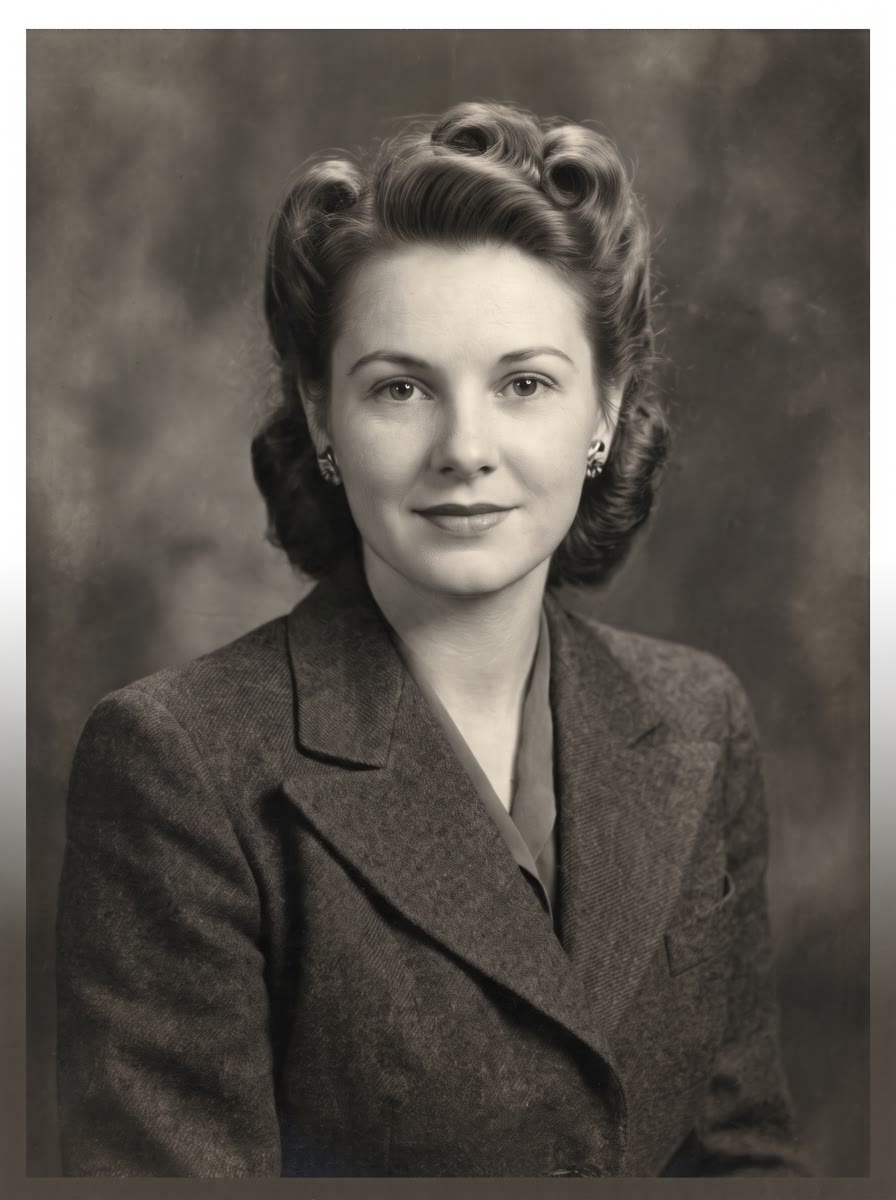
Cleared foxing spots and tears without smoothing skin texture, producing both archival monochrome and understated 1940s color.
Genealogy archival care for historic photographic processes
Cabinet Cards & Cartes de Visite (1860s–1900s)
Albumen prints mounted on heavy cardstock commonly suffer from brown iron-oxide foxing spots, fading toward pale yellow, and corner chips. Always scan the full card mount at 600–1200 DPI before cropping so you preserve the photographer's gilded studio imprint and city, which date the photograph for genealogy records.
Tintypes (Ferrotypes) & Ambrotypes
Tintypes are direct positives on lacquered iron plates, which means they are reversed left-to-right and prone to dark rust spots, bent corners, and surface crazing in the varnish. Scan in 24-bit color and keep the original unedited scan alongside your restored master.
Silver Mirroring & Verso Handwriting
Oxidized silver rises to the surface in shadow areas, creating a bluish metallic sheen called silver mirroring. Always photograph or scan the back (verso) of every cabinet card to preserve handwritten names, dates, and census clues before filing the original in an acid-free sleeve.